


Johannes Loos
Senior Sales Manager Performance Line
| T: | +49 3733 5507 204 | |
| M: | nf-mail/norafin/com?Johannes_Loos | |
 | LinkedIn profile | |

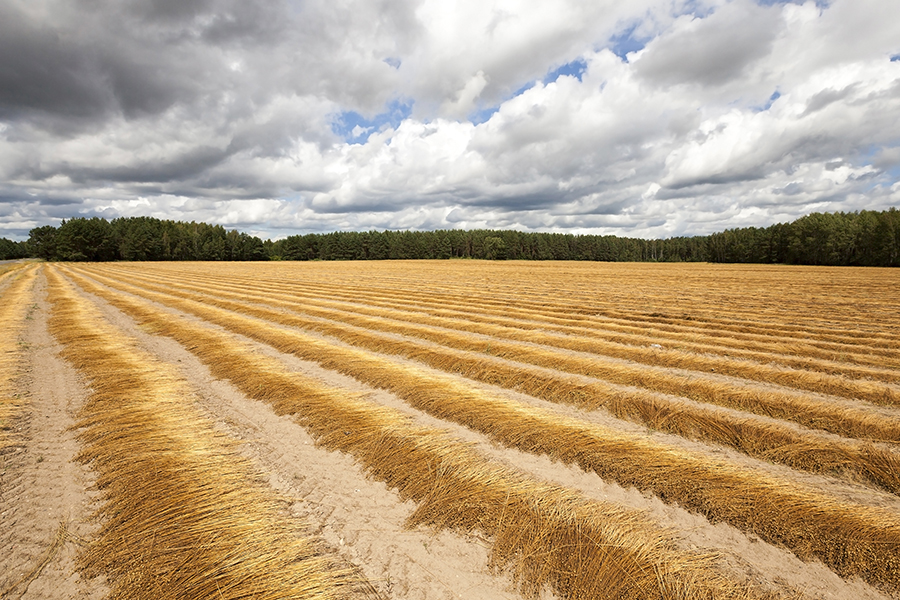
Flax is the oldest cultivated plant in the world!
It is a natural raw material whose fibers enjoy great popularity in the production of textiles.
What are the reasons therefore?
By its very nature, the flax plant possesses properties that give our flax products enormous, naturally derived advantages. Flax fibers are smooth, and textiles made from them are less susceptible to dirt and bacteria. In addition, the fibers can absorb up to 35% of the ambient humidity and release it again as needed. Furthermore, flax fibers are highly tear-resistant, making them durable and long-lasting. The plant’s vibration-damping and insulating properties, the soft feel of the textile products, and their natural UV resistance are additional benefits that add significant value to our products.
The flax fibers are consolidated into nonwoven fabrics using spunlace technology without any additional chemical binders. Another significant advantage of the flax plant is already evident in its cultivation. This is because growing flax requires significantly less water compared to other natural fibers (such as cotton).* Furthermore, the flax plant has no specific soil requirements and, in suitable growing regions, requires no additional chemical fertilizers. Here, the best flax fibers are obtained worldwide. Developed through a long-term partnership, we source our flax fibers from Normandy in Northern France, an area that is known for its consistent change between sun, rain, wind and, its moderate temperatures.
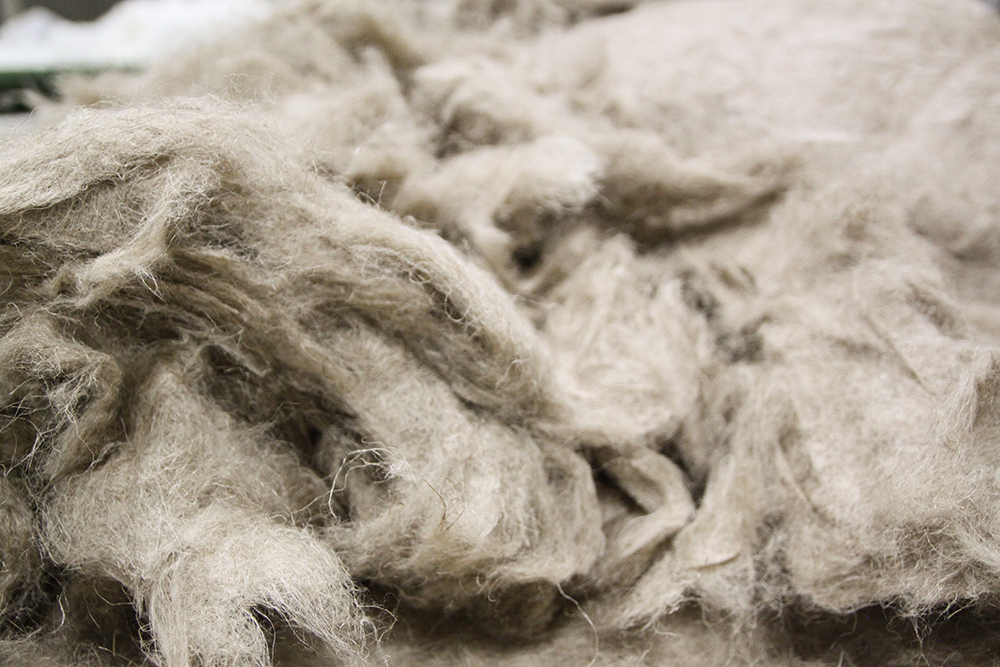
Fiber Marks the Beginning
First of all, the fibers, whether flax, hemp or viscose, have to be opened and this is done by one or more carding machines. The fine carded fiber web is further transferred to the solidification process.
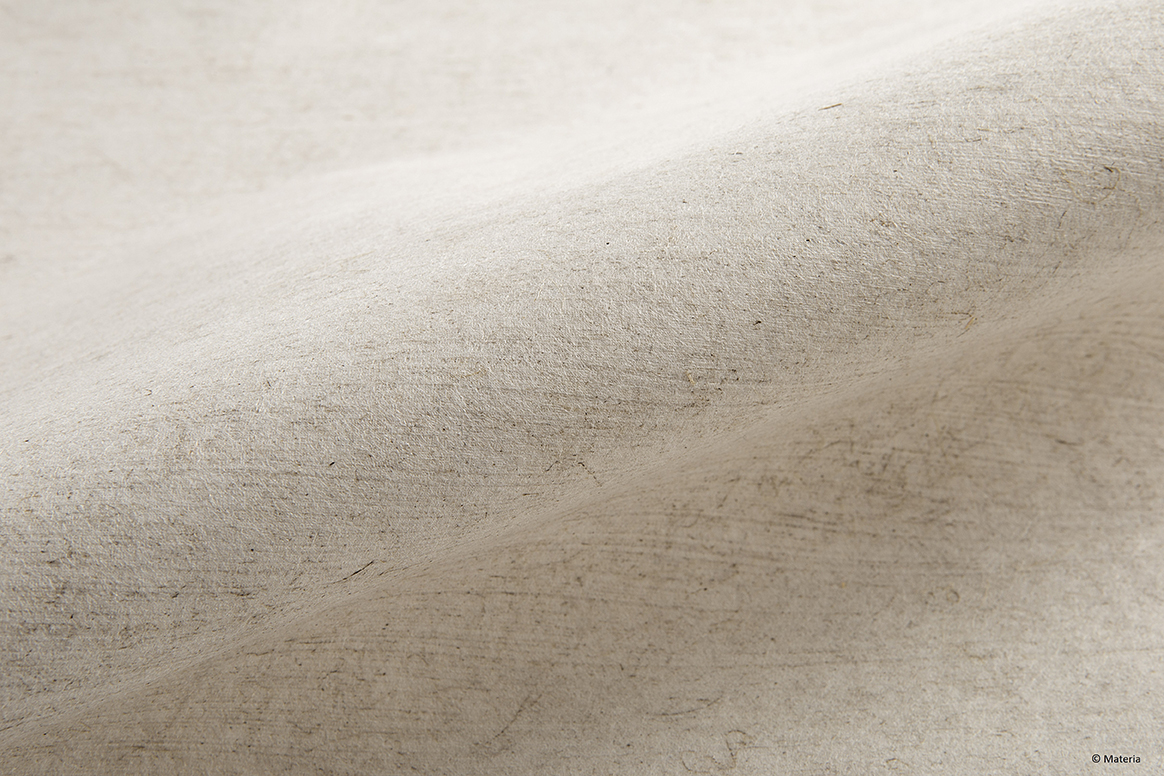
Due to water hitting and penetrating the carded fiber web with high pressure, a homogeneous, entangled and solid textile fabric is formed. This nonwoven can be embossed in various surface structures by using different drums. Finally, the wet nonwoven passes through a drying process and then can be sold already cut to customized widths.
Depending on requirements, the natural fiber nonwoven can be treated to become flame-retardant or water-repellent, for example.
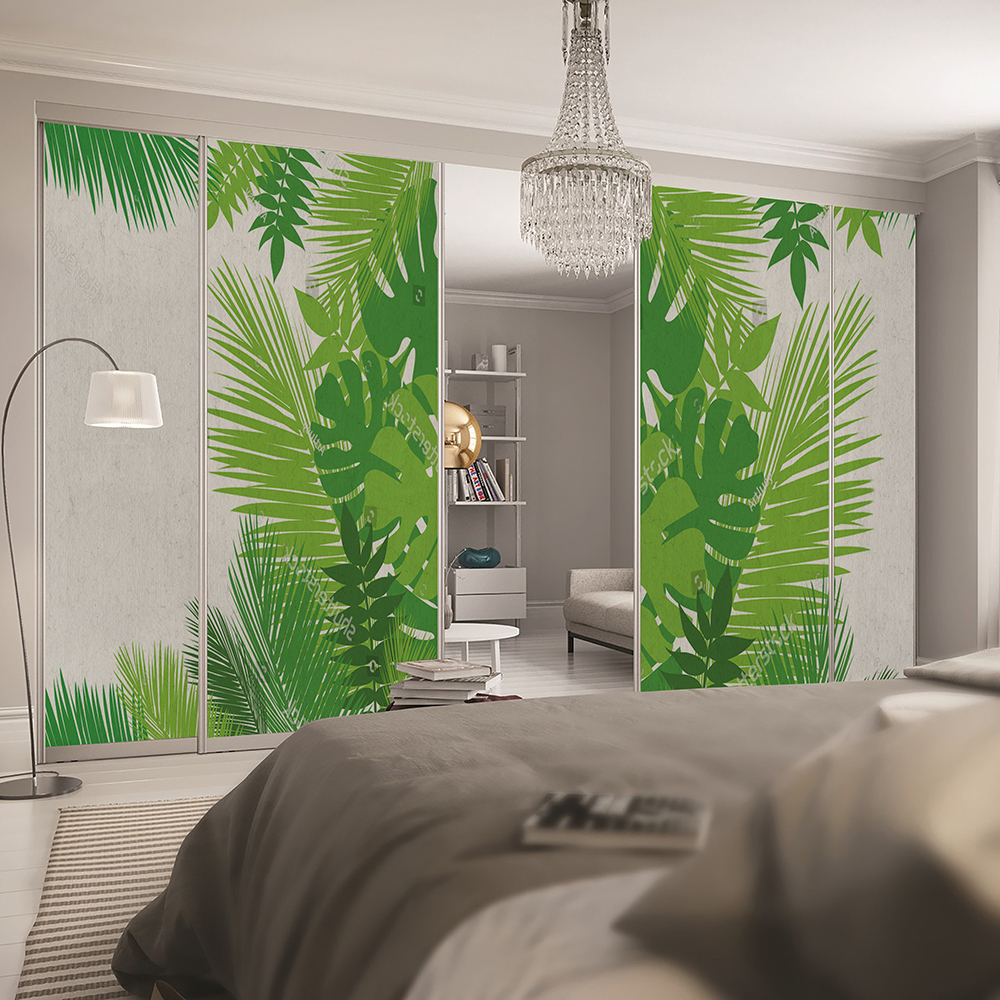
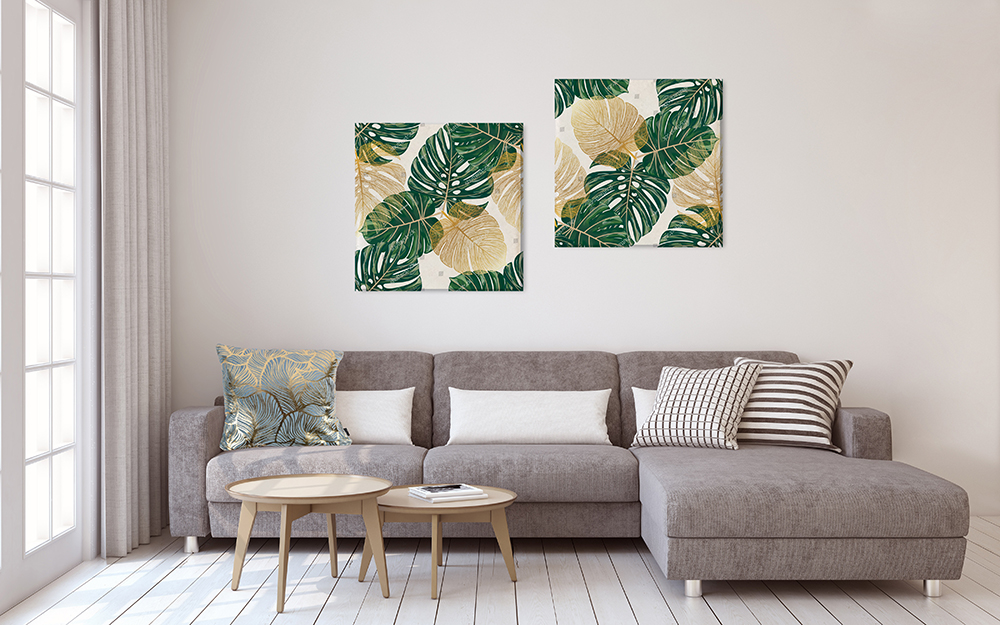
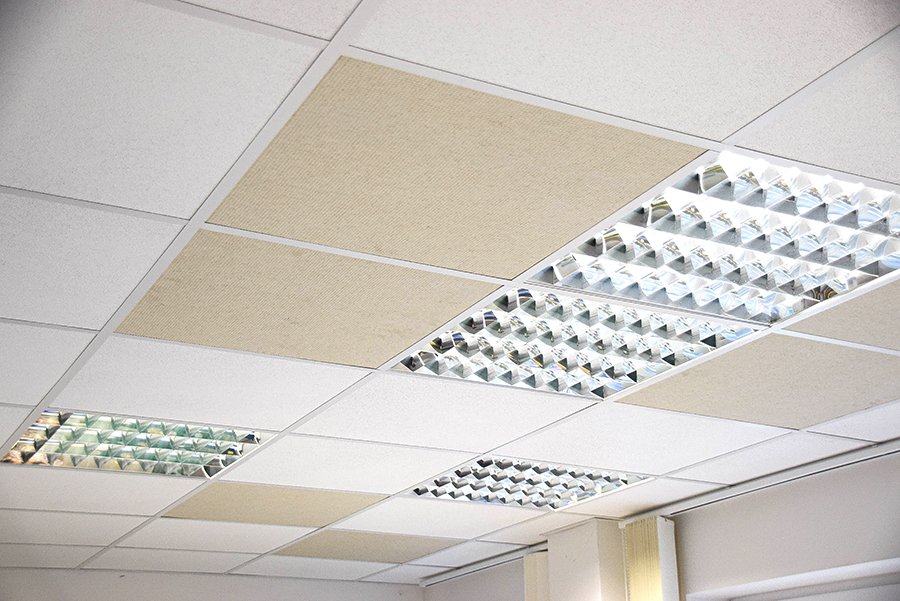
With our flax-based nonwovens, we have the right base material for sustainable concepts in interior design for every application.
Our base material can be processed in many ways and integrated as an alternative.
Among others in the areas of:
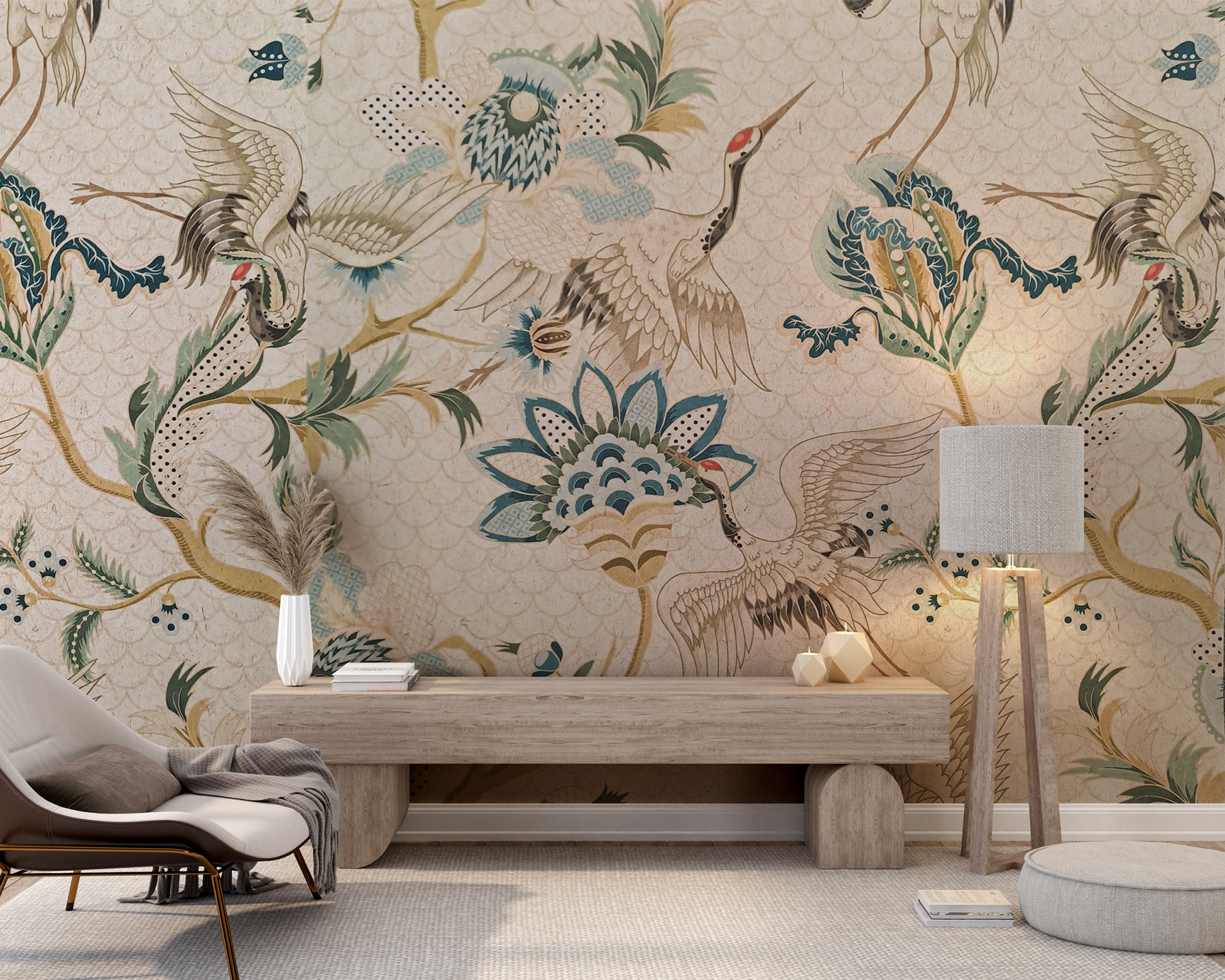
the possibilities are enormous. Specially developed as a wall covering, it offers a new and unique sense of space.
Norafin flax wallcover is produced with a width of 220 cm and can be supplied in different widths, e.g. 53/75/110/114/160 cm.
We would be pleased to present our flax product portfolio more precisely to you.
Feel free to contact us.


Johannes Loos
Senior Sales Manager Performance Line
| T: | +49 3733 5507 204 | |
| M: | nf-mail/norafin/com?Johannes_Loos | |
| LinkedIn profile | |

Tim Natzschka
Product Manager Performance Line
| T: | +49 3733 5507 294 | |
| M: | nf-mail/norafin/com?Tim_Natzschka | |
| LinkedIn profile | |